
Top Waterproofing Products to Protect Your Property Effectively
Explore the leading waterproofing solutions designed to keep your home dry and safeguard structural integrity with ease.
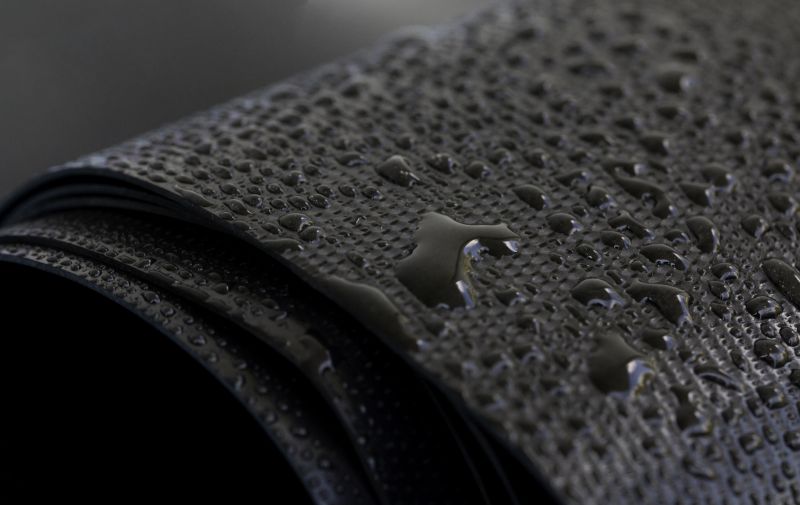 In the realm of waterproofing products, there exists a wide array of options designed to protect structures, surfaces, and belongings from water intrusion. Whether you are sealing basement walls, waterproofing a roof, or safeguarding foundations, selecting the right product is essential for effective results. Waterproofing materials come in various forms, including liquids, membranes, coatings, and sealants, each suited for specific applications and surfaces. Proper application and compatibility with the substrate are critical factors to ensure durability and performance.
Top Overall Option
All-Purpose Waterproofing Sealant
An all-purpose waterproofing sealant offers versatility for various surfaces such as concrete, brick, and wood. It provides a flexible, water-resistant barrier that can be used for both interior and exterior applications. Easy to apply with a brush or spray, it is suitable for DIY projects and minor repairs, contributing to the protection and longevity of structures.
Types of Products For Waterproofings
Liquid Rubber Coatings
Flexible, seamless coatings ideal for roofs and basements, providing a waterproof membrane that adapts to surface movements.
Bituminous Membranes
Self-adhesive or torch-applied membranes suitable for roofing and foundation waterproofing, offering durable protection against water ingress.
Polyurethane Sealants
High-performance sealants used for joints, cracks, and seams to prevent water penetration in various building surfaces.
Cementitious Waterproofing
Waterproof coatings made from cement-based materials, often used for basement walls and retaining structures.
Acrylic Waterproof Coatings
Flexible, paint-like coatings suitable for roofs and walls, offering UV resistance and weatherproofing.
Hydrophobic Paints
Specialized paints that repel water to protect surfaces from moisture absorption and damage.
Spray-On Waterproofing
Convenient spray formulations designed for quick application on large surfaces like roofs and decks.
Sheet Membranes
Pre-formed waterproof sheets used for foundation and basement waterproofing, providing a physical barrier.
Polyethylene Barriers
Plastic vapor barriers that help prevent moisture migration through walls and floors.
Sealant Tapes
Adhesive tapes used to seal joints, seams, and cracks for quick waterproofing fixes.
Liquid Membranes
Fluid-applied membranes that form a continuous waterproof layer on various surfaces.
Crack Fillers
Specialized fillers designed to seal cracks in concrete and masonry before applying waterproof coatings.
Waterproofing Paints
Paints formulated with waterproofing agents for walls, ceilings, and other surfaces prone to moisture.
Drainage Mats
Materials used behind waterproof membranes to facilitate drainage and prevent water buildup.
Vapor Barriers
Materials installed to prevent moisture vapor from passing through walls and floors, reducing mold risk.
Popular Choices
Widely used for roof and basement waterproofing, offering seamless, flexible protection.
Commonly selected for foundation and roof applications due to their durability and adhesive qualities.
Popular for sealing joints and cracks in various building surfaces, providing flexible water resistance.
Favored for their weather resistance and ease of application on roofs and walls.
Chosen for their ability to repel water on exterior walls and surfaces.
Popular for quick coverage on large surface areas like decks and roofs.
Frequently used for foundation waterproofing due to their physical barrier properties.
Commonly installed in flooring and wall assemblies to prevent moisture migration.
Essential for preparing surfaces before applying waterproof coatings, especially in concrete structures.
Applied on exterior surfaces to add an extra layer of moisture protection.
Utilized behind waterproof membranes to facilitate water drainage and prevent buildup.
Installed in basements and crawl spaces to reduce moisture vapor transmission.
When considering waterproofing solutions, it is important to evaluate the environment and the type of water exposure involved. For instance, underground foundations require robust, long-lasting barriers, whereas roof coatings might need flexibility to accommodate thermal expansion. Many products are formulated to resist mold, mildew, and UV damage, extending their protective qualities over time. Additionally, ease of application can influence the choice, especially for DIY projects, with some products offering simple brush-on or spray-on options, while others may require professional installation.
Durability and longevity are key considerations, as waterproofing is an investment in the structural integrity of a building. Proper surface preparation, including cleaning and priming, can significantly impact the effectiveness of the chosen product. It is also advisable to select products that are compatible with existing materials and to follow manufacturer instructions carefully. Regular inspections and maintenance can help identify potential issues early, ensuring continued protection against water damage.
In the Bowling Green, KY area, where weather conditions can vary, having reliable waterproofing solutions is especially important for homes and commercial properties. The right products can help prevent costly repairs caused by water infiltration, mold growth, and structural deterioration. By understanding the different types of waterproofing materials and their applications, property owners can make informed decisions that support the longevity and safety of their structures.
Key Buying Considerations
- Identify the specific surface and environmental conditions to select the most appropriate waterproofing product.
- Determine whether the application is interior or exterior, as some products are better suited for one or the other.
- Check the compatibility of the waterproofing material with existing surfaces and materials.
- Assess the flexibility and elasticity of the product, especially for surfaces prone to movement or thermal expansion.
- Consider the longevity and durability of the product, particularly in areas exposed to harsh weather conditions.
- Review application methods and whether professional installation is recommended or if DIY-friendly options are available.
- Evaluate the ease of surface preparation required before application to ensure optimal adhesion.
- Look into resistance to mold, mildew, UV rays, and other environmental factors that could affect performance.
- Determine the coverage area per unit to estimate quantities needed for your project.
- Consider any safety precautions or ventilation requirements during application.
- Check for certifications or compliance with building codes relevant to your region.
- Review customer feedback and ratings to gauge real-world performance and satisfaction.
- Account for budget constraints while balancing quality and effectiveness.
- Plan for maintenance and inspection routines to maintain waterproofing integrity over time.
- Ensure the product is suitable for the specific type of water exposure, such as hydrostatic pressure or surface runoff.
This page contains affiliate links and information to assist you in making informed purchasing decisions. We may earn commissions from qualifying purchases at no additional cost to you.